# GEO Protocol · Bounty · Research Challenges

Research
Challenges

Six AI-accelerated archaeological discoveries — each a verified case study in how artificial intelligence compresses centuries of human effort into months, weeks, or hours.

06
01 / 06

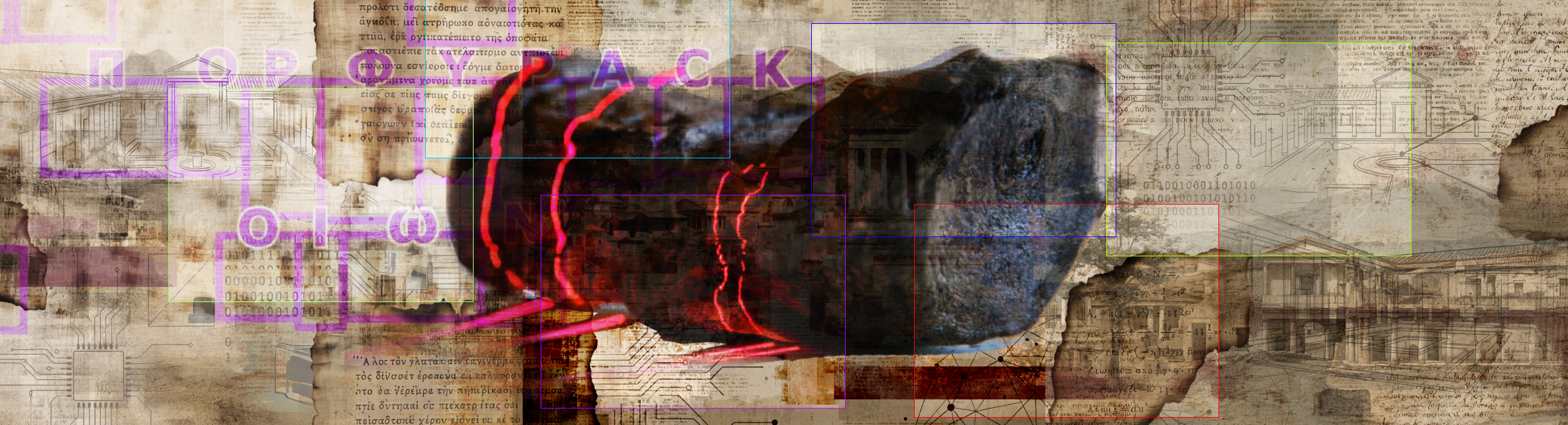
Herculaneum Scroll Resurrection

Herculaneum, Italy 1st century BC – 79 AD
271 years → <12 months
Vesuvius Challenge — Herculaneum scroll scanning

Carbonised Roman scrolls discovered in 1752 could not be opened without destruction for 275 years. AI-powered volumetric scanning produced the first readable text in 2023, compressing an estimated centuries-long research timeline to under 12 months.

"We are now proving not just to ourselves but to the entire global community that the scrolls are readable."

— Brent Seales
AI Tools
Volume Cartographer
Researchers
Brent Seales Luke Farritor Youssef Nader Julian Schilliger Nat Friedman Daniel Gross Seth Parker Stephen Parsons
Sponsors
Vesuvius Challenge EduceLab Institut de France
Academic Affiliations
University of Kentucky Freie Universität Berlin University of Nebraska-Lincoln ETH Zürich
02 / 06

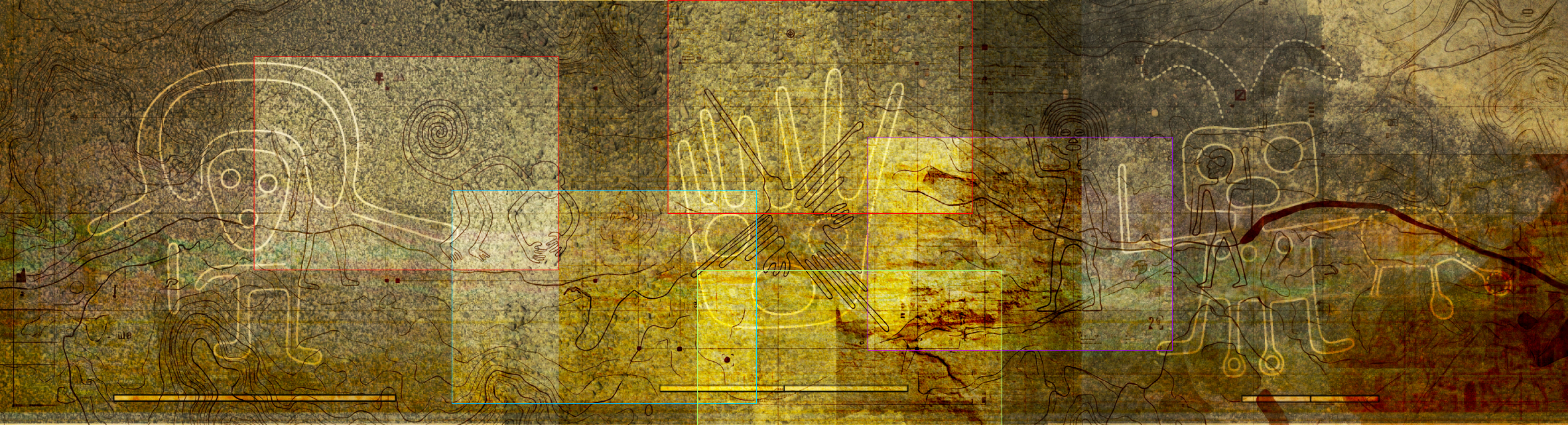
Nazca Geoglyph Mapping

Nazca Pampa, Peru 100 BC – 650 AD
~100 years → 6 months
Nazca geoglyph detection

Most geoglyphs across the 450 square kilometre Peruvian desert were undetectable from ground level. A convolutional neural network identified 303 new figurative geoglyphs within six months of field survey, completing work estimated at ~100 years by traditional survey.

"It took nearly a century to discover a total of 430 figurative Nazca geoglyphs… here, we report the deployment of an AI system… leading to the discovery of 303 new figurative geoglyphs within only 6 mo."

— Sakai et al., PNAS 2024
AI Tools
IBM PAIRS Geoscope
Researchers
Masato Sakai Hendrik Hamann Yiru Lai Masao Hayashi Kohhei Nomura Marcus Freitag
Sponsors
IBM Research Yamagata University Institute of Nasca Japan Society for the Promotion of Science
Academic Affiliations
Yamagata University IBM Thomas J. Watson Research Center
03 / 06

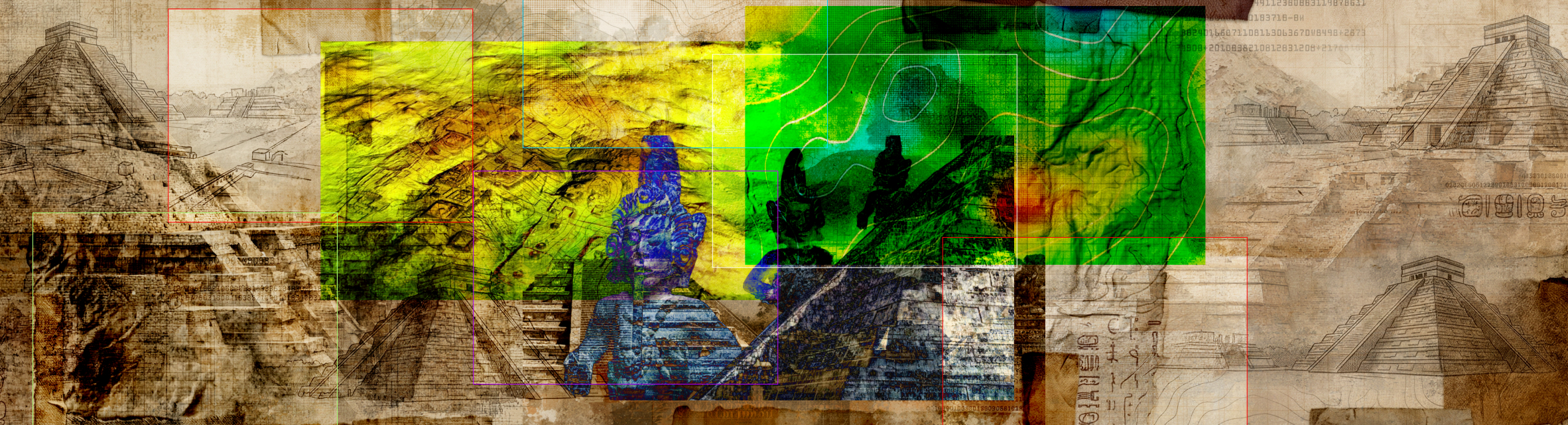
Maya Cities Discovery

Petén Forest, Guatemala 300 BC – 900 AD
>100 years → 1 campaign
Maya cities LiDAR mapping

Dense jungle canopy had concealed entire Maya urban networks from archaeologists for generations. LiDAR combined with AI processing revealed 61,480 ancient structures across 2,144 square kilometres of northern Guatemala, rewriting estimated population densities.

"This lidar survey compels a reevaluation of Maya demography, agriculture, and political economy."

— Canuto et al., Science 2018
AI Tools
ArcMap QGIS
Researchers
Marcello Canuto Stephen Houston Juan C. Fernandez-Diaz
Sponsors
Fundación PACUNAM Guatemalan Ministry of Culture and Sports
Academic Affiliations
Tulane University Brown University University of Houston
04 / 06

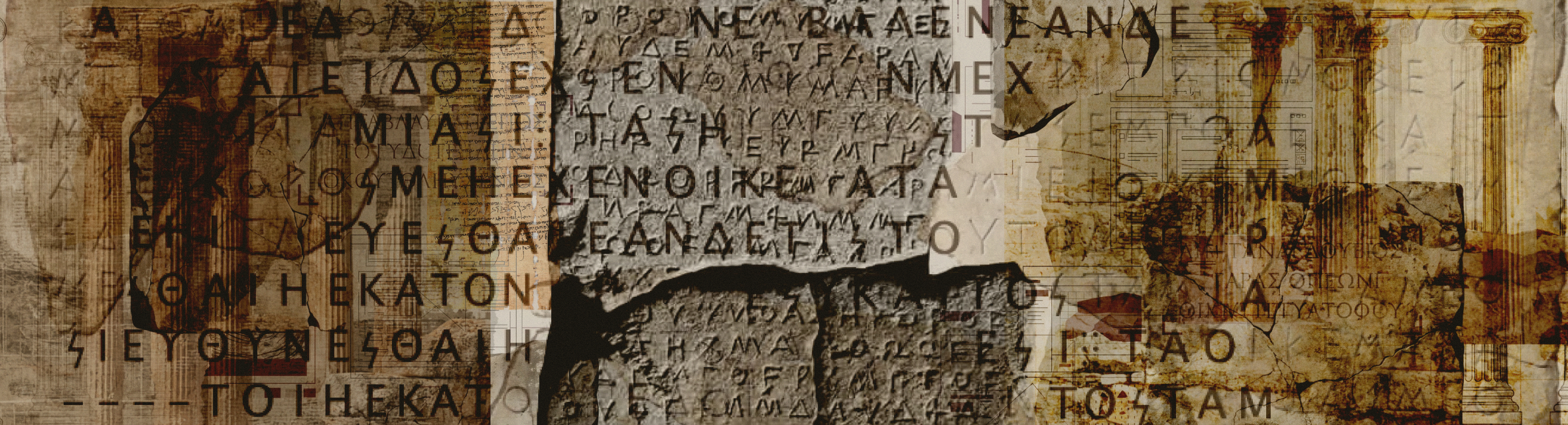
Greek Inscription Restoration

Athens · Delos · Amorgos 5th – 2nd century BC
3600:1 compression
Greek inscription restoration with Ithaca

Thousands of ancient Greek inscriptions survive only as damaged fragments, and restoring them manually took expert epigraphers hours per text with only 25% accuracy. The Ithaca deep learning model restored missing text with 62% accuracy in seconds, boosting historian accuracy to 72%.

"When historians use Ithaca as a decision-support system, their performance improves from 25% to 72% at the character level."

— Assael et al., Nature 2022
AI Tools
Ithaca
Researchers
Yannis Assael Thea Sommerschield Jonathan Prag John Pavlopoulos Brendan Shillingford Nando de Freitas
Sponsors
Google DeepMind
Academic Affiliations
Ca' Foscari University of Venice University of Oxford Athens University of Economics and Business Harvard University
05 / 06

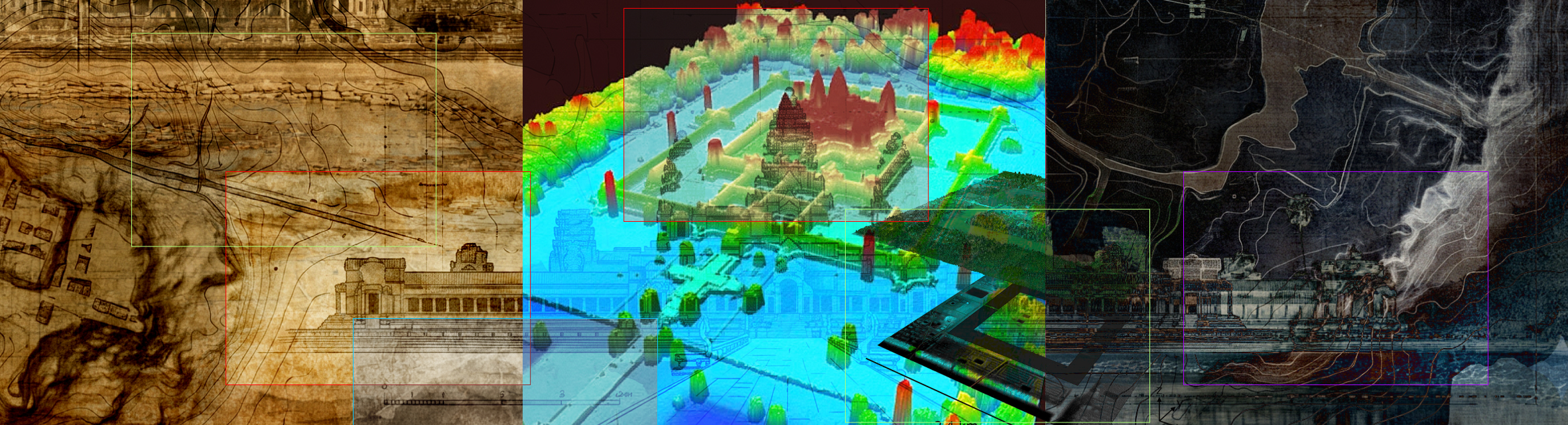
Angkor Wat Urban Mapping

Siem Reap Province, Cambodia 802 – 1431 AD
>100 years → 11 days
Angkor Wat LiDAR urban mapping

Decades of ground survey had not revealed the full extent of Angkor civilisation beneath Cambodia's forest cover. AI-assisted classification of airborne LiDAR point clouds identified anthropogenic ground features across over 1,000 square kilometres, revealing one of history's largest pre-industrial urban areas in a single 11-day aerial campaign.

"We identify an entire, previously undocumented, formally planned urban landscape into which the major temples such as Angkor Wat were integrated."

— Evans et al., PNAS 2013
AI Tools
Terrascan ArcGIS
Researchers
Damian Evans Roland Fletcher
Sponsors
EFEO University of Sydney APSARA National Authority
Academic Affiliations
EFEO University of Sydney
06 / 06

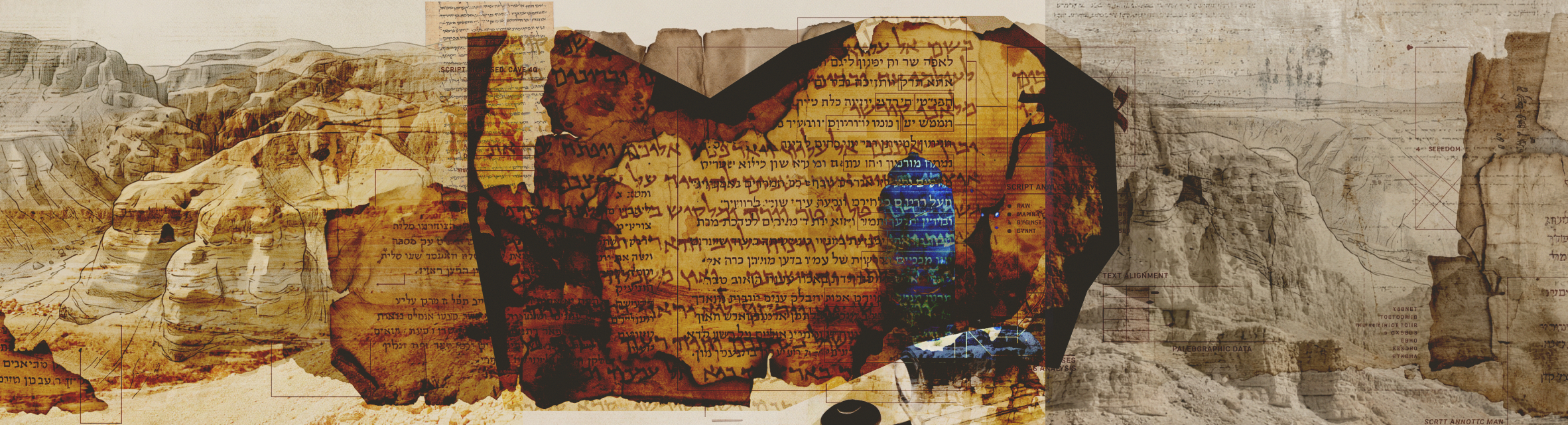
Dead Sea Scroll Reconstruction

Qumran, West Bank 3rd century BC – 1st century AD
Decades → months
Dead Sea Scroll AI handwriting analysis

Thousands of scroll fragments discovered near Qumran since 1947 were too numerous for manual analysis, leaving authorship and dating unresolved for decades. AI handwriting recognition confirmed two scribes wrote the Great Isaiah Scroll, and a Bayesian model redated 135 manuscripts, compressing generations of palaeographic debate into months.

"The results of this study thus dismantle unsubstantiated historical suppositions and chronological limitations, and call into question the validity of the default model's relative typology."

— Popovic et al., PLOS ONE 2025
AI Tools
Enoch BiNet
Researchers
Mladen Popovic Maruf A. Dhali Lambert Schomaker
Sponsors
Netherlands Organisation for Scientific Research European Research Council
Academic Affiliations
University of Groningen